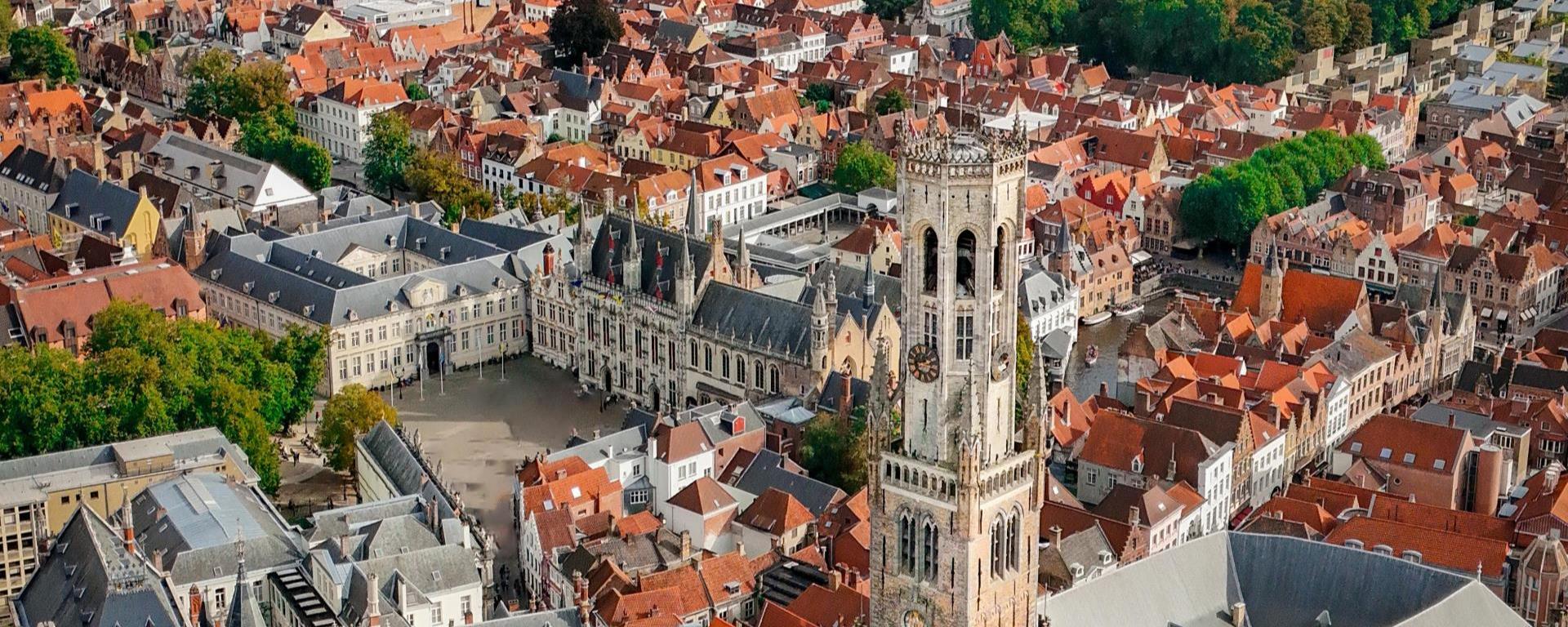
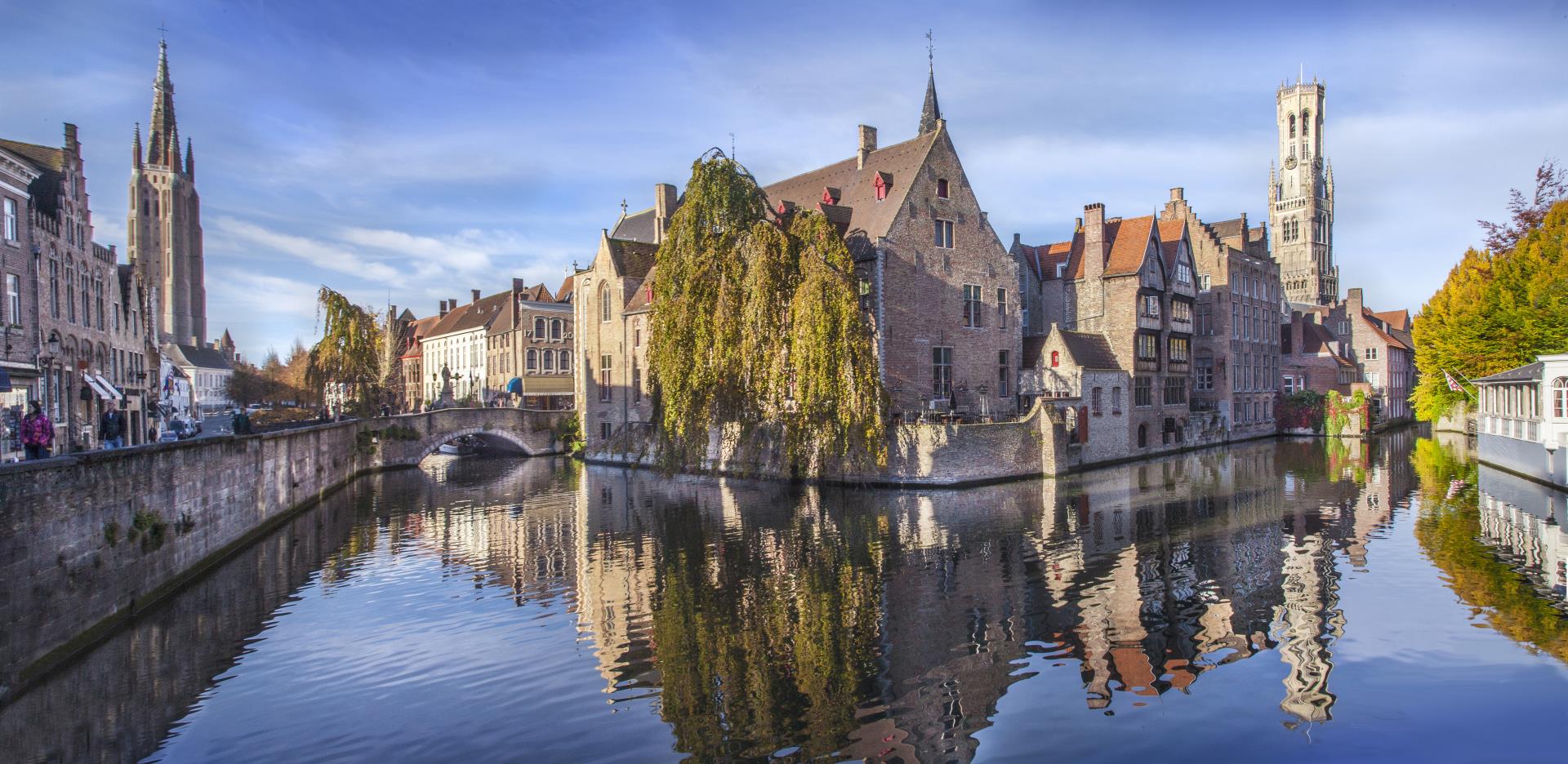
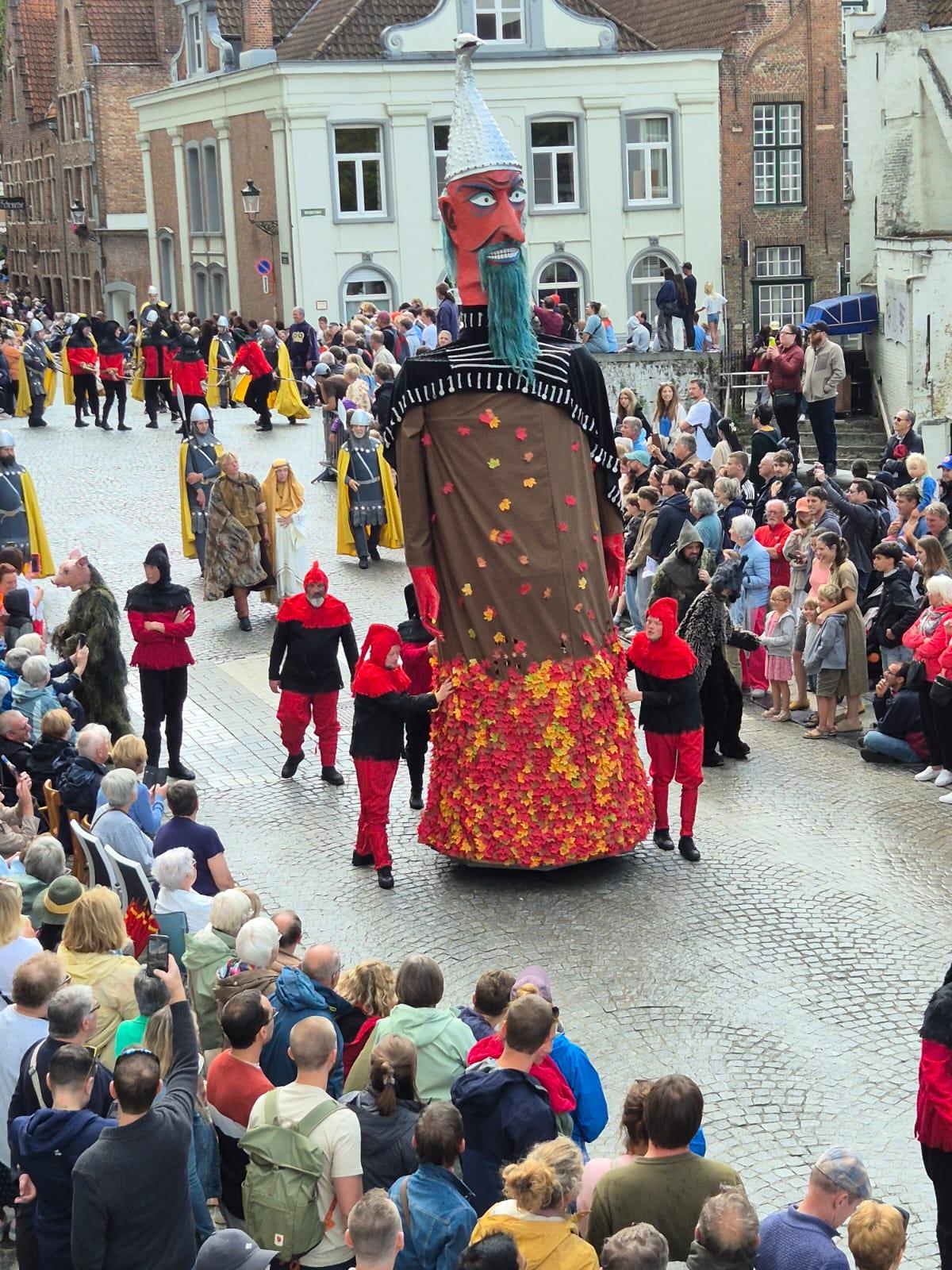
Bruges is a shining example of a medieval city that has maintained its historic character over the centuries. In the Middle Ages, Bruges was an important hub for European trade. The old buildings and medieval street plan have been carefully preserved over the centuries. The Gothic buildings, which still adorn the cityscape, are an indispensable part of its unique identity. The city centre shows the influence of brick Gothic and the innovative artistic movements of medieval painting, especially the Flemish Primitives. Bruges is considered the birthplace of this famous art movement, with iconic artists such as Jan van Eyck and Hans Memling. This rich artistic tradition contributed to the development of Bruges into a commercial and cultural centre of Europe, with global connections.
Bruges is thus unique precisely because of its rich history. Thus, in 2000, the city was recognised as a UNESCO World Heritage Site.
The city of Breydel, as Bruges is also called, boasts an impressive museum collection, which includes not only the Flemish Masters in the Groeningen Museum, but also the St John's Hospital, once the most important medieval urban institution for the sick, poor and needy in the city of Bruges. The city palace of the Lords of Gruuthuse on the Dijver in the city's old centre holds a varied collection of historical objects and decorative arts from the 13th to the 19th century as the Gruuthuse Museum.
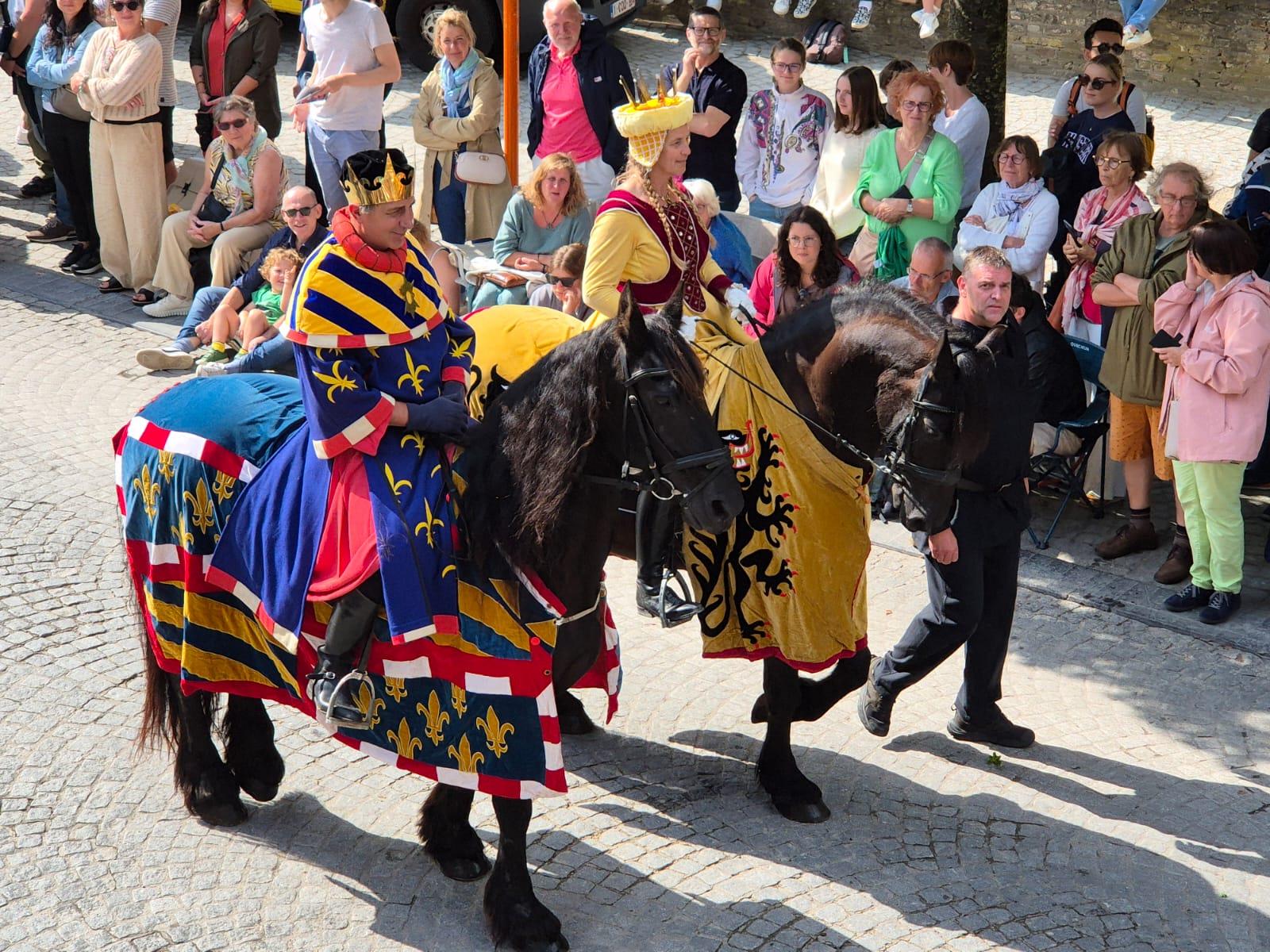
Bruges also has much to offer in terms of intangible heritage, The historic-religious Holy Blood Procession in Bruges is an annual event that has been inscribed on UNESCO's list of intangible cultural world heritage since 2009.